Cordant™ Process Optimization
Confidentiality Notice: Some details and visuals have been abstracted due to NDA restrictions. The content presented focuses on design strategy, methodology, and process.
Overview
My Role
I led the project, designing complex operational rules into a structured, decision-oriented user experience. Defined the overall design direction and ensured experience coherence across applications to reduce cross-application friction. Collaborated closely with cross-functional teams to align system constraints with clarity, usability, and scalable interaction patterns.
Challenge & Complexity
In industrial environments, products typically face recurring challenges across multiple layers: business, user, and system. Complexity is further amplified in Product & Architectural, Role-Based Workflow, and Data & Domain knowledge.
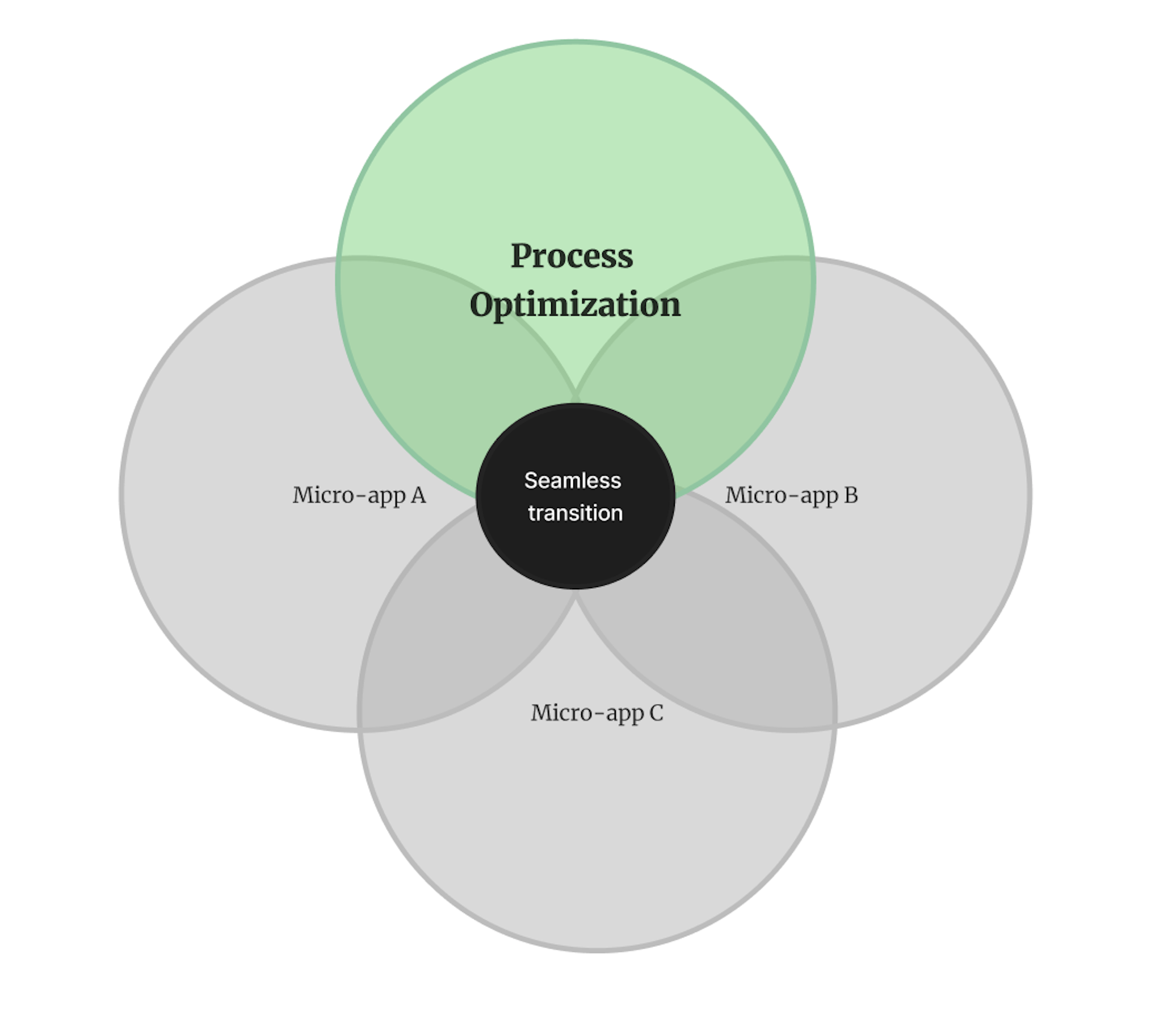
( Visuals are abstracted to respect NDA. I have summarized design workflow through text and conceptual relationships rather than actual UI )
System-Level Design Strategy
Process Optimization is a product within the Cordant Suite, designed to unify workflows into a cohesive, cross-application experience. While designing it, I focused on seven key dimensions to ensure scalability, consistency, and usability across the ecosystem.
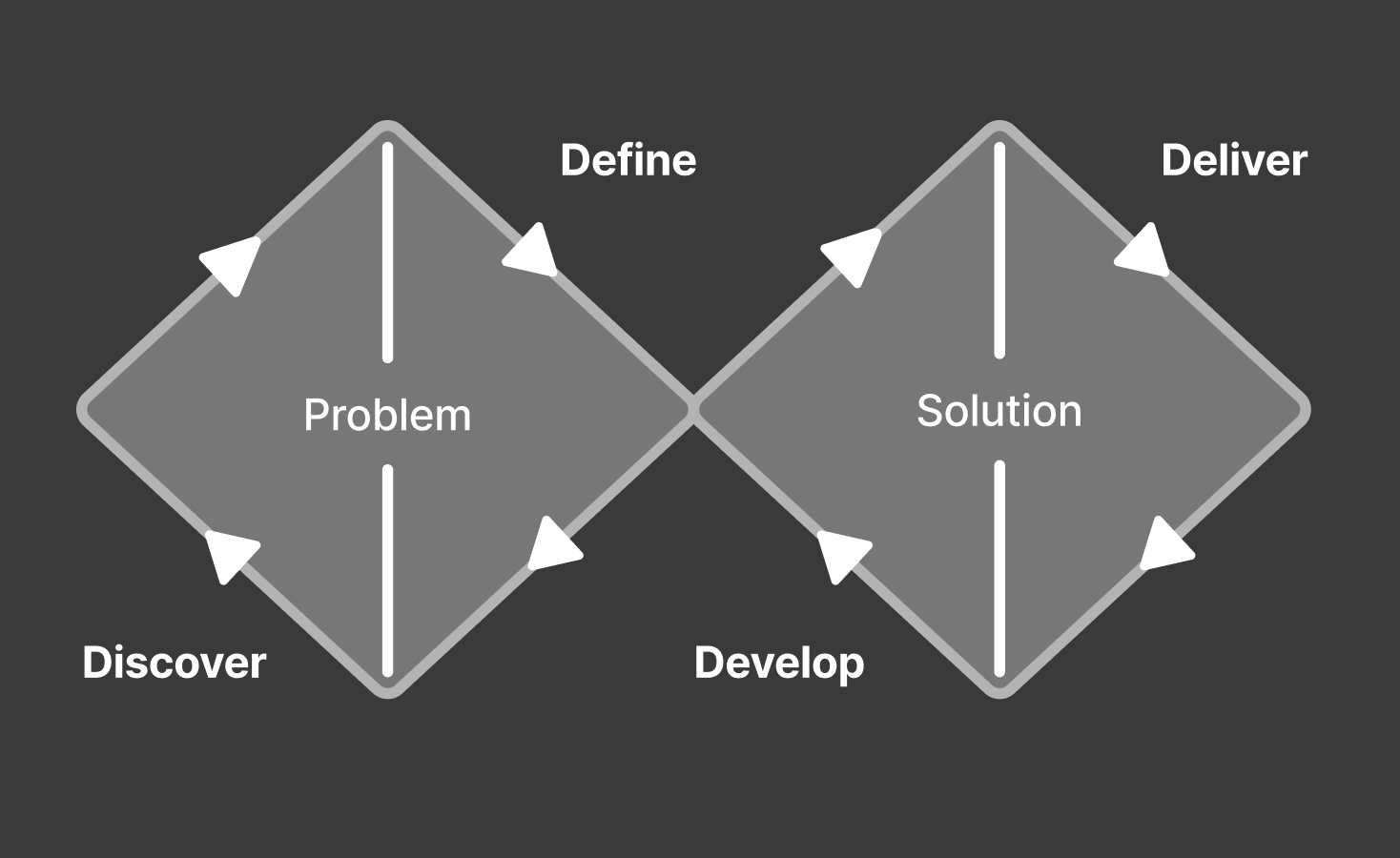
From the Discovery Phase: The design process begins with understanding the ecosystem, including user interviews, workflow audits, stakeholder alignment, and opportunity identification. In this project, I conducted these activities to uncover real user needs and gaps.
From Business Goals: Design aims to drive workflow efficiency and operational visibility across the ecosystem. I applied this by aligning features with key operational priorities.
From Role-Based Design: The goal is to enable contextual, adaptive experiences tailored to user roles and responsibilities. I created role-specific workflows and interfaces to reflect this.
From Design System: A consistent visual language and interaction behavior guide the user experience. I implemented and enforced these standards across all micro-applications.
From Reusable Design Patterns: Scalable patterns support future expansion and coherence. I built modular components and patterns that could be reused across the ecosystem.
From Technical Constraints: Design works within platform limitations and integration dependencies to ensure performance, maintainability, and implementation feasibility. I accounted for these constraints in every design decision.
From Design Testing and Iteration: The process involves refining workflows and interaction patterns through user validation to ensure real-world usability and adoption. I conducted testing sessions and iterated designs based on feedback to improve effectiveness and adoption.
Execution & Testing
I led the design execution phase, from ideation, validation to iterative improvements.
Wireframes & Prototypes: I created wireframes and interactive prototypes to test end-to-end workflows, ensuring that cross-application interactions were coherent and predictable.
Cross-Functional Feedback Loops: I collaborated with stakeholders to incorporate feedback, resolve conflicting requirements, and ensure alignment with business and operational goals.
Usability Testing Loops: I developed a testing plan, prioritizing role-based workflow scenarios over isolated tasks, and collaborated with the research team to ensure workflow transitions, task efficiency, and error prevention, rather than individual screens.
Iteration Cycles: I prioritized design iterations based on the timeline and technical constraints, while ensuring patterns were reusable and scalable across the product suite, keeping the project handoff on track.
Impact & Outcome
I tracked key metrics to validate that the design delivered real value:
Improved Workflow Efficiency: Users were able to complete end-to-end operational tasks across multiple micro-applications with fewer steps and reduced cognitive load.
Reduced Context Switching: Standardized interaction patterns and consistent cross-app transitions minimized the need to jump between modules to accomplish tasks.
Increased Adoption & Consistency: Designers and teams could implement solutions consistently, ensuring a coherent experience across the product suite.
Enhanced Operational Clarity: Workflows provided clearer visibility into tasks, responsibilities, and data, supporting better decision-making.
Supported Business Objectives: By unifying fragmented micro-applications into a cohesive ecosystem, the design enabled more efficient operations and strengthened overall organizational effectiveness.